
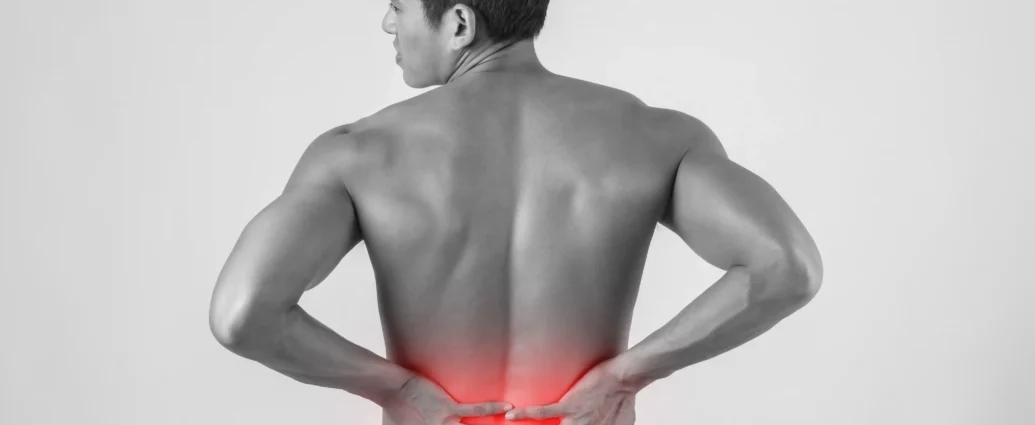
Nobody tells you what happens to your spine as you get older. One day you are lifting groceries without a second thought, and the next you are wincing getting up from a chair. It feels sudden — but the changes in your spine that produce these moments have usually been building quietly for years.
The good news is that ageing and spine problems are not the same thing. Many people remain completely pain-free well into their 70s and 80s. Understanding what actually changes in the spine with age — and what you can do about it — gives you a genuine advantage in staying active and pain-free for longer.
What Happens to Your Spine After 40?
Spinal ageing begins earlier than most people expect. From the late 20s onward, intervertebral discs begin losing water content — a process called disc desiccation — which reduces their height and shock-absorbing capacity. By the time most people reach their 40s, some degree of disc degeneration is already visible on MRI.
This does not mean pain is inevitable. Disc degeneration is present on MRI in the majority of people over 40 — but most of them have no significant symptoms. What determines whether degeneration becomes painful is a combination of how fast it progresses, which levels are affected, how the surrounding muscles and joints compensate, and individual genetic and lifestyle factors.
Key age-related changes in the spine include:
- Reduction in disc height — the space between vertebrae narrows, reducing the area available for nerve roots to exit the spinal canal
- Facet joint degeneration — the small joints linking adjacent vertebrae develop osteoarthritis, contributing to stiffness and localised back pain
- Ligament thickening — the ligamentum flavum in the spinal canal thickens with age, potentially contributing to canal narrowing
- Reduced bone density — particularly in post-menopausal women, increasing the risk of vertebral compression fractures
The Most Common Spine Complaints After 40
1. Lower Back Stiffness and Morning Pain
Morning stiffness lasting 10–20 minutes after waking — improving with movement — is one of the most common spine complaints in the 40–60 age group. It usually reflects facet joint stiffness and early disc degeneration, and often improves with regular exercise, proper posture, and physiotherapy.
However, if morning stiffness lasts more than 30–45 minutes, especially in people under 50, it may indicate an inflammatory condition like ankylosing spondylitis. In advanced stages, this can lead to a condition known as Bamboo Spine, where the spine becomes rigid due to chronic inflammation and fusion of vertebrae. Early diagnosis is critical, as the treatment approach is completely different from mechanical back pain.
2. Leg Pain and Sciatica
New onset of leg pain — particularly shooting or burning pain travelling below the knee — in someone over 40 usually reflects nerve root compression from disc degeneration or spinal stenosis. As disc height reduces with age, the foramen (openings where nerve roots exit the spinal canal) narrow, making nerve root compression increasingly likely.
Sciatica from lumbar disc herniation is actually most common in the 35-55 age group — a time when discs are degenerated enough to herniate but still have enough internal pressure to produce significant protrusions. Later, as discs completely lose height and internal pressure, herniation becomes less common — but spinal stenosis becomes more prevalent.
Why Women Over 50 Face Unique Spine Risks
Post-menopausal women face a specific set of spine health challenges that deserve particular attention. Oestrogen plays an important role in bone density maintenance — and the sharp decline in oestrogen at menopause accelerates bone loss significantly.
In the spine, this loss of bone density increases the risk of vertebral compression fractures — fractures of the vertebral body that can occur with minimal trauma or even spontaneously. These fractures cause acute back pain, loss of height, and in severe cases, progressive kyphosis (forward stooping of the spine). They are treated differently from disc-related or degenerative spine pain — with kyphoplasty or vertebroplasty in appropriate cases, alongside medical management of osteoporosis itself.
Additionally, the hormonal changes of menopause have been linked to changes in pain perception and central sensitisation — contributing to increased chronic pain burden in some post-menopausal women.
Protecting Your Spine After 40 — What the Evidence Shows
1. Exercise remains the single most impactful intervention. Regular physical activity maintains disc nutrition through movement-driven fluid exchange, preserves bone density, strengthens the muscle support system around the spine, and reduces systemic inflammation. The ideal exercise programme for spine health over 40 includes low-impact cardiovascular activity (swimming, walking, cycling), core stability training, and flexibility work.
2. Ergonomics matter more as you age. As discs lose their resilience, sustained static loading becomes increasingly damaging. Investing in a properly adjusted workstation, taking movement breaks every 30-40 minutes, and paying attention to sleeping position are not vanity concerns — they are direct interventions in the rate of disc degeneration.
3. Weight management protects the lumbar spine. Each additional kilogram of body weight adds approximately 3-4 kilograms of compressive load to the lumbar spine in activities of daily living. Maintaining a healthy weight is one of the most evidence-supported strategies for reducing the rate of lumbar disc degeneration.
When Age-Related Changes Become Conditions That Need Treatment
Most age-related spine changes are manageable with lifestyle measures and periodic physiotherapy. But certain developments signal the need for specialist evaluation:
- New leg symptoms — numbness, tingling, or weakness developing alongside back pain
- Back pain significantly limiting walking distance — possible spinal stenosis
- Acute severe back pain following a minor injury or fall — possible vertebral fracture
- Progressive neurological symptoms — worsening weakness or bladder changes
For patients across Delhi and NCR experiencing these developments, the best spine surgeon in Delhi NCR offers the specialist evaluation needed to distinguish age-related changes that can be managed conservatively from those requiring specific intervention.
Conclusion
Ageing well with a healthy spine is entirely achievable — but it requires understanding what is actually happening in the spine with age and making the right lifestyle and medical decisions before problems become serious. Most spinal conditions that develop with age are highly treatable when caught early, and even complex spine problems have excellent treatment options in modern medicine.